Someone just typed their email address into your website and hit submit. That is the warmest they are ever going to be toward your business, and most small businesses respond to it with about three weeks of total silence, followed by a promo blast about a sale they have no context for.
A welcome sequence fixes that, and it is the rare marketing project you finish once. It is a short set of emails that send automatically when someone joins your list, spaced out over the first two weeks. Write them on a Tuesday afternoon and they keep working on every new subscriber for years.
Why the First Two Weeks Decide Everything
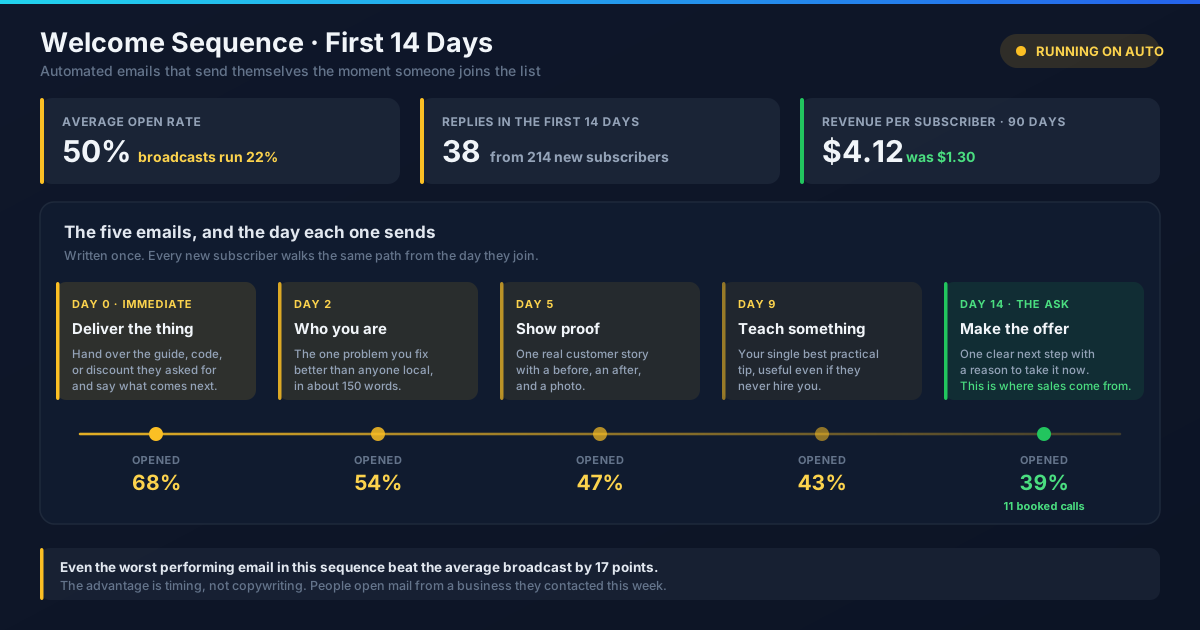
Welcome emails get opened at roughly double the rate of a regular campaign, for the simple reason that the person remembers signing up. That memory has a shelf life. Wait a month and you are a stranger arriving in an inbox that already gets 120 messages a day, and your open rate drops to single digits and stays there.
The same logic that makes responding to a new lead within five minutes so effective applies here, just on a slower clock. Interest is perishable. The sequence is how you spend it before it expires.
The Five Emails
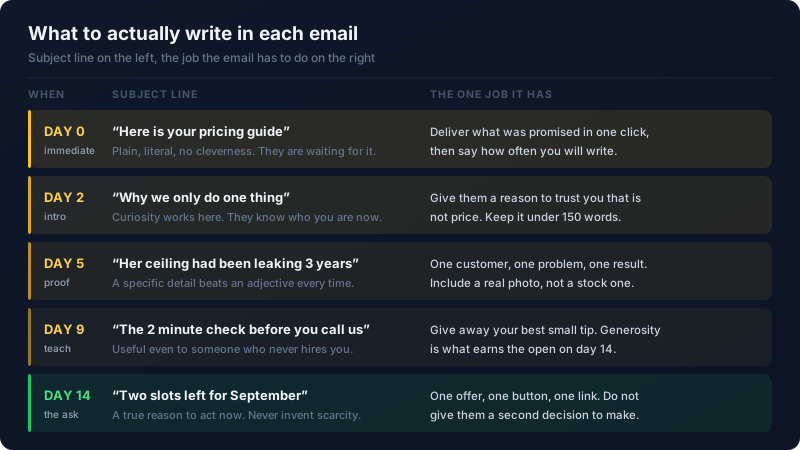
Each email gets exactly one job. The most common mistake is cramming your entire business into the first message, which reads as desperate and gets deleted.
Day 0, immediate: deliver whatever they signed up for. The guide, the coupon code, the quote. One click, no hunting. Then add a single sentence telling them what to expect and how often you will write, because setting that expectation is what keeps them from reporting you as spam in November.
Day 2: introduce yourself. Not your founding date, the one problem you solve better than the other options in town. Keep it to about 150 words and write it the way you would explain it to a neighbor.
Day 5: prove it with one customer story. A specific detail, a real photo, an actual before and after. One concrete story outperforms a page of adjectives.
Day 9: teach something useful. Give away your best small tip, the kind that helps even if they never hire you. This generosity is what buys the open on day 14.
Day 14: make the ask. One offer, one button, one link, and a genuine reason to act now. Never invent scarcity, because people can smell it and it costs you more than the sale is worth.
Write Them Like a Person
Plain text outperforms heavily designed templates in a welcome sequence almost every time. A message that looks like it came from a human being gets read like one, and it lands in the primary tab more often than a wall of images. Send from a real name at your domain rather than a no-reply address, and actually invite replies. The replies are the point. They tell your email provider that people want your mail, which protects your deliverability, and they surface real sales conversations you would never have had otherwise.
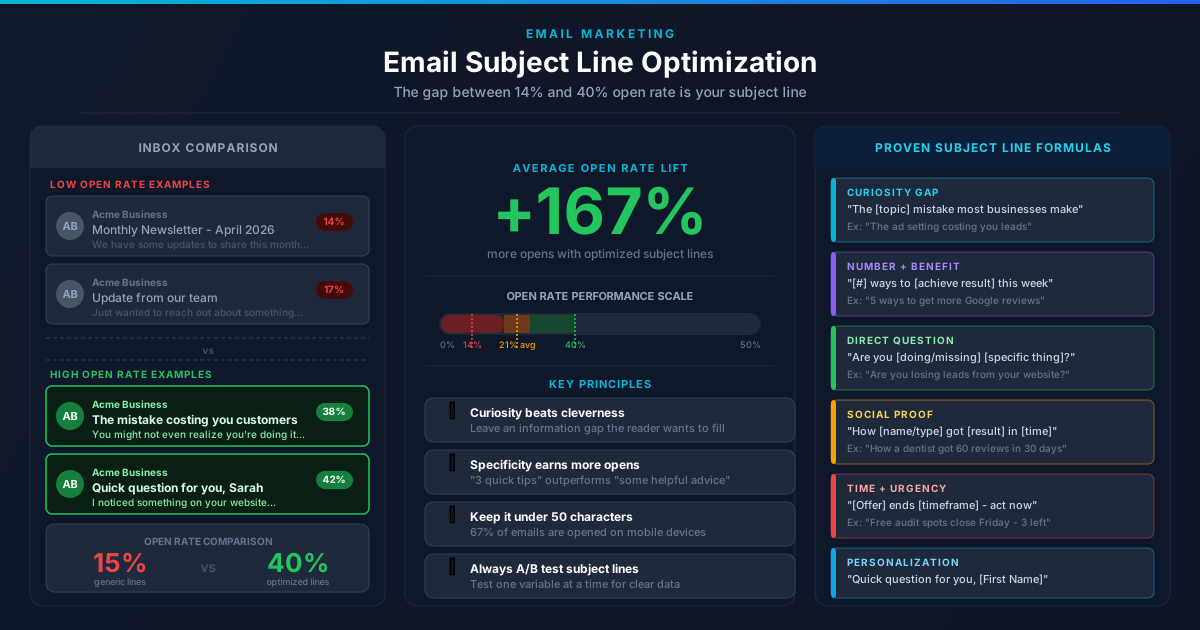
Subject lines matter more here than anywhere else, since a sequence nobody opens is just a folder of unread files. The same rules that drive opens on regular campaigns apply, with one exception: the day 0 subject should be boring and literal, because the reader is looking for a specific thing you promised them.
Setting It Up Takes an Afternoon
Every email platform worth using has this built in, usually under a name like automation, flow, or journey. You create the sequence, set the trigger to when a contact joins your main list, and add a delay before each message. Mailchimp, Klaviyo, ConvertKit, Brevo, and Constant Contact all handle it on their lower tiers.
Send a test to yourself first and read it on your phone, because that is where most of it gets opened. Then check three things after the first month: the open rate on each email, the unsubscribe rate on each email, and how many replies you got. If one email in the middle is bleeding subscribers, rewrite that one instead of scrapping the whole sequence.
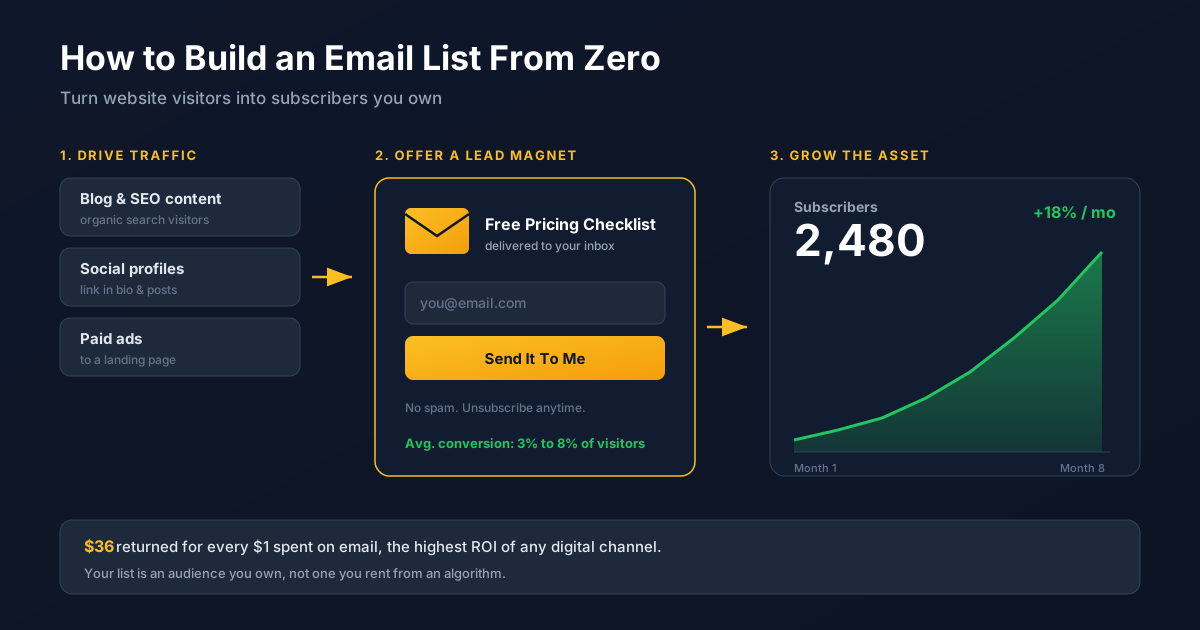
None of this works without people to send it to, so if the list itself is thin, start with building the list and add the sequence the same week. Email keeps returning more per dollar than any other channel largely because of automations like this one, which earn while you are doing something else.
If you would rather have the whole thing written, built, and tested for you, get in touch and we will set it up.
Frequently Asked Questions
How many emails should be in a welcome sequence?
Between three and five for most small businesses. Three covers the essentials: deliver what was promised, introduce yourself, and make an offer. Five gives you room to add proof and to teach something before you ask for anything, which is why it usually converts better. More than seven and you are asking for unsubscribes before the person has ever bought anything.
How long should I wait between welcome emails?
Send the first one immediately, then space the rest two to five days apart across roughly two weeks. Sending daily feels aggressive to someone who just met you. Waiting a week between messages lets the memory of signing up fade, which is exactly the advantage you are trying to use.
What should the first welcome email say?
Deliver whatever they signed up for in one obvious click, then add a single sentence about what to expect and how often you will write. Skip the company history. The reader opened this email to get a specific thing, and anything that delays them from getting it costs you trust.
Do welcome emails actually increase sales?
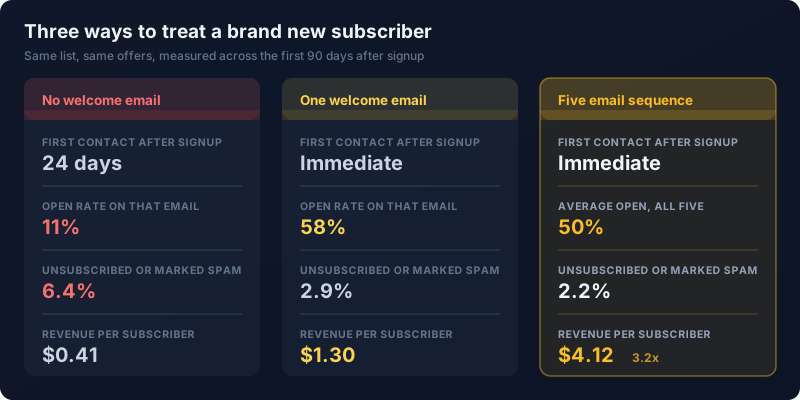
Yes, and by a wider margin than most owners expect. Subscribers who receive a proper welcome sequence typically generate several times more revenue over their first 90 days than subscribers who get nothing, both because the early emails convert directly and because those people keep opening your regular campaigns afterward.
Can I use a welcome sequence if I only send emails occasionally?
That is precisely when it matters most. If you only send a few campaigns a year, a new subscriber might wait months for their first message and will have forgotten you completely. The sequence guarantees that everyone gets a proper introduction regardless of how sporadic your regular sending is.