Social platforms can change their rules overnight. Ad costs climb every year. But there is one marketing channel you genuinely own, where no algorithm sits between you and your customer: your email list. The problem is that most small businesses know they should have one and have no idea how to actually start. So they slap a "Join our newsletter" box in the footer, get three signups in six months, and give up.
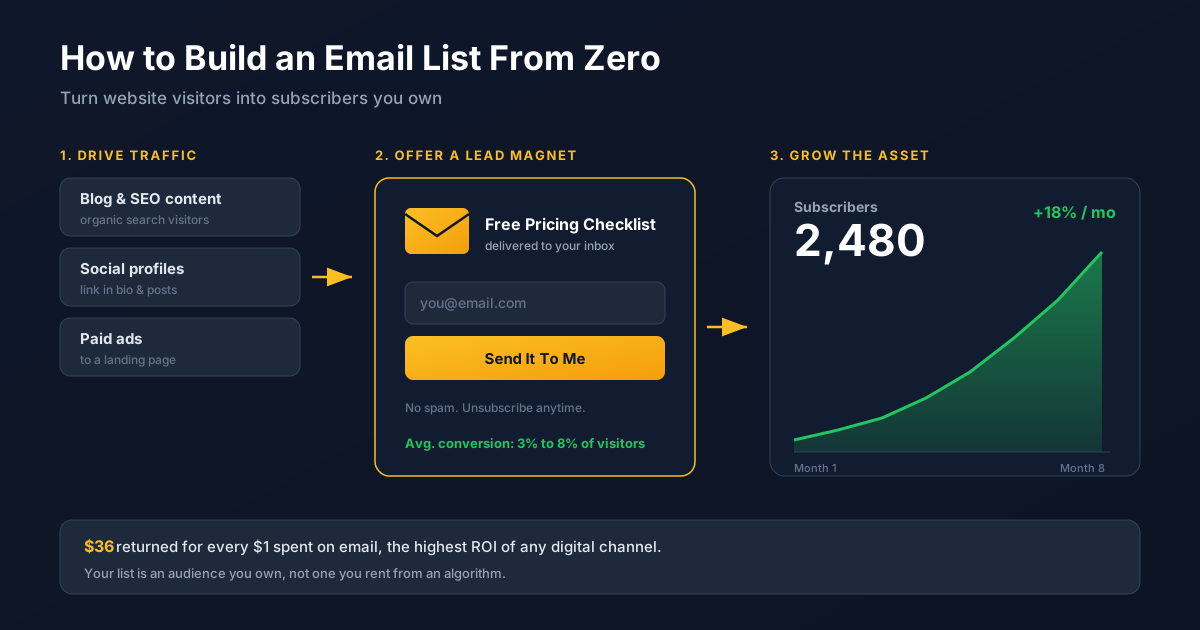
Building a list is not complicated, but it does follow a process. You drive traffic, you give people a reason to hand over their email, and you make signing up easy to do. Here is how to grow a real list from your very first subscriber, even with no budget. If you want the bigger picture on why this matters, we covered why email still delivers the highest ROI of any channel.

Start With a Lead Magnet, Not a Newsletter
Almost nobody wakes up wanting another newsletter in their inbox. They will, however, trade their email for something genuinely useful. That something is your lead magnet: a small, free resource that solves one specific problem for your ideal customer.
The best lead magnets are quick to create and quick to consume. A house cleaning company might offer a "move-out cleaning checklist." An accountant might offer a "10 deductions small businesses miss" one-pager. An ecommerce store can simply offer 10 percent off the first order. You do not need a 40-page ebook. You need one thing that makes someone think, "I want that," before they have finished reading the headline.
Put Signup Forms Where People Actually Are
Once you have an offer, you need to show it. A single form buried in the footer will not cut it. The businesses that grow lists fastest use several placements at once, because each one catches a different visitor in a different moment.

An inline form placed in the middle of a blog post tends to convert best, because the reader is already engaged with your content. An exit-intent popup catches people right as they move to leave. A sticky header bar stays visible no matter how far they scroll. You do not have to pick one. Run two or three and let the data tell you which earns its keep.
Drive Traffic to the Offer
Forms only work if people see them, which means you need traffic. The most durable source is search engine optimization: helpful blog content that ranks for the questions your customers are already typing into Google. Every post becomes a long-term funnel into your list. Your social profiles are another free channel, so put a link to your lead magnet in every bio. If you run ads, send a portion of that traffic to a dedicated landing page built to convert rather than straight to a product.
Send the First Email Right Away
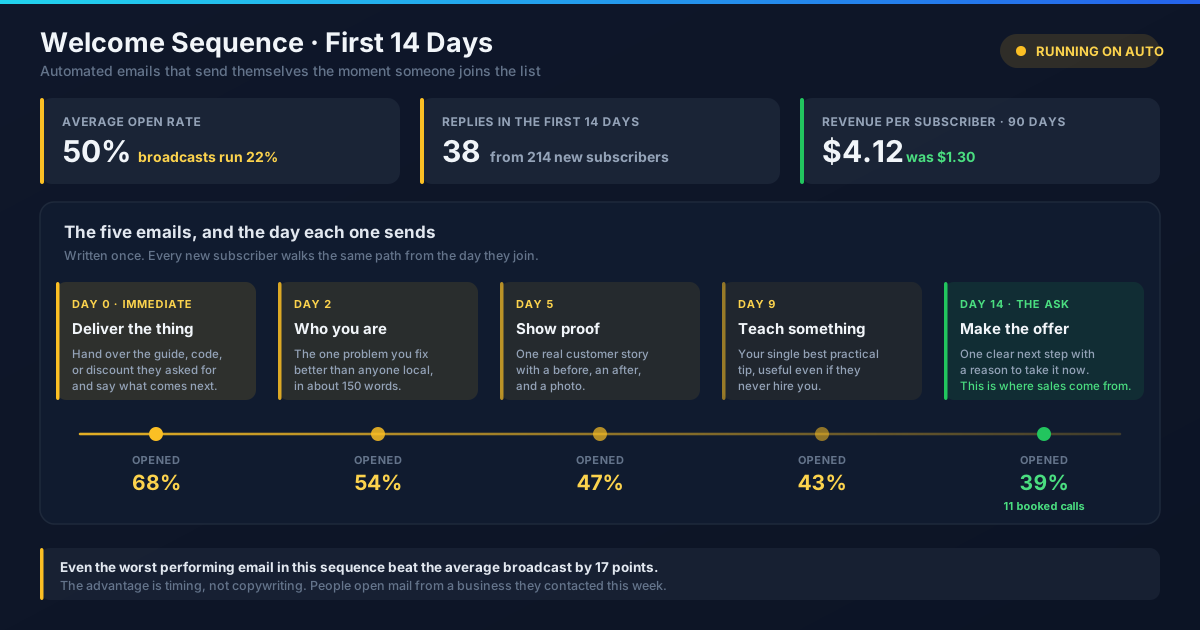
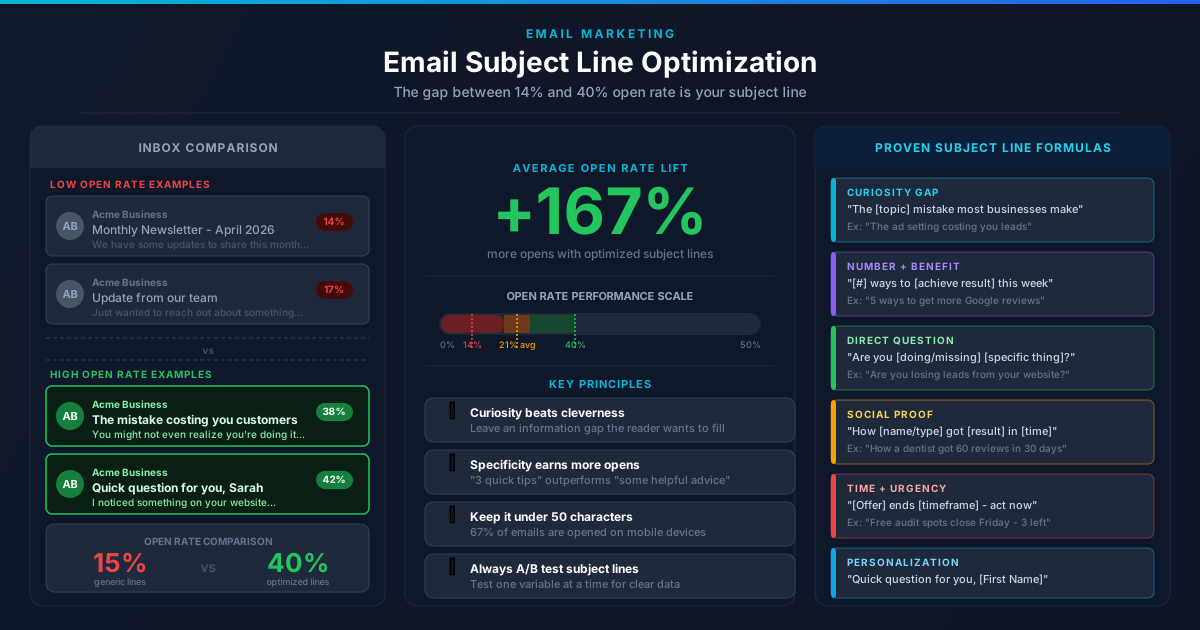
The moment someone subscribes, they are the most interested in you they will ever be. Do not waste that. Set up an automatic welcome email that delivers the lead magnet instantly and introduces who you are in a sentence or two. This single automation does more for engagement than almost anything else, and it is where strong subject lines start earning you opens from day one.
Keep It Clean and Keep It Honest
Never buy a list, and never add people who did not opt in. Bought and scraped contacts tank your deliverability and can get your account suspended. A small list of people who actually want to hear from you will always outperform a big list of strangers. Grow it the honest way and it becomes the most reliable asset in your marketing. If you want help setting up the whole system, our email marketing service handles the lead magnets, forms, and automations for you.
Frequently Asked Questions
How do I start an email list with no subscribers?
Start by creating one simple lead magnet, a free checklist, template, or discount that solves a specific problem for your ideal customer. Then add signup forms to your website, link to the offer from your social profiles, and set up an automatic welcome email. Your first subscribers will come from the traffic you already have, so make the offer visible everywhere people land.
What is a lead magnet and do I really need one?
A lead magnet is a small, free resource you give in exchange for an email address, like a checklist, template, mini guide, or discount code. You do need one. A plain "join our newsletter" prompt typically converts under 1 percent of visitors, while a useful lead magnet can convert 4 to 10 percent. The offer is the single biggest lever on how fast your list grows.
How long does it take to build an email list?
It depends on your traffic, but most small businesses can collect their first hundred subscribers within a month or two by combining a good lead magnet with multiple signup forms and consistent content. List growth compounds. The blog posts and forms you set up early keep collecting signups for years with no extra work.
Should I buy an email list to get started faster?
No. Buying or scraping email lists violates anti-spam laws like CAN-SPAM and GDPR, damages your sender reputation, and can get your email account suspended. People who never opted in mark messages as spam, which hurts deliverability to everyone else. A smaller list of genuine subscribers will always outperform a large list of strangers.
How often should I email my new subscribers?
Send a welcome email immediately, then aim for a consistent rhythm of one to four emails per month. Consistency matters more than volume. Pick a schedule you can maintain while still delivering real value in every send, and your subscribers will stay engaged rather than tuning out or unsubscribing.