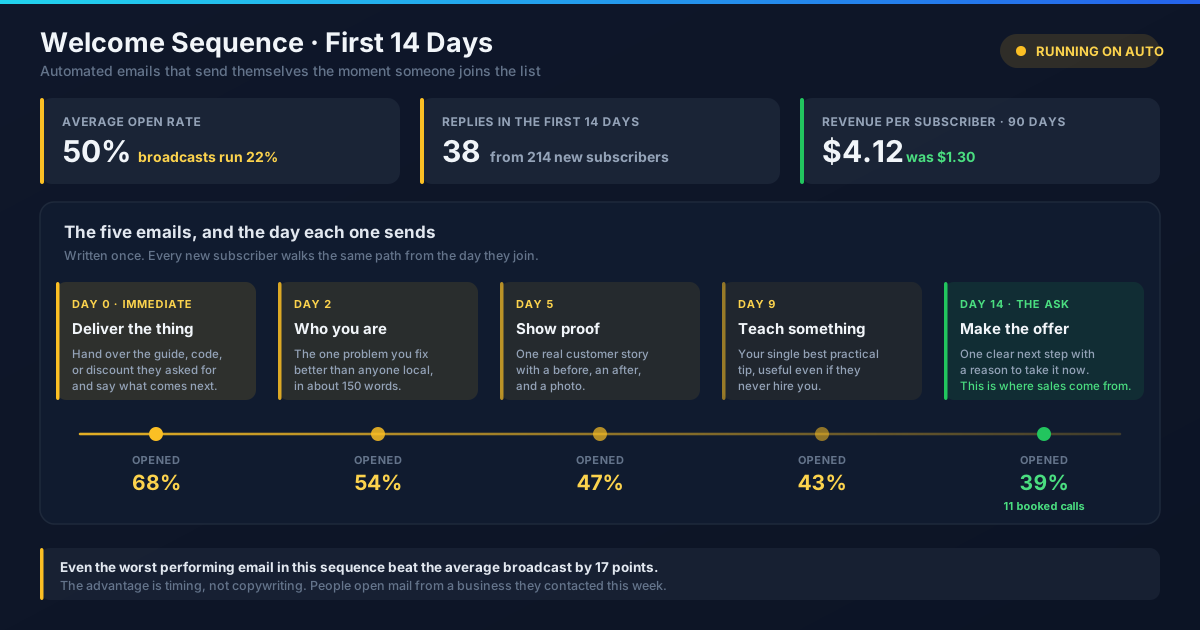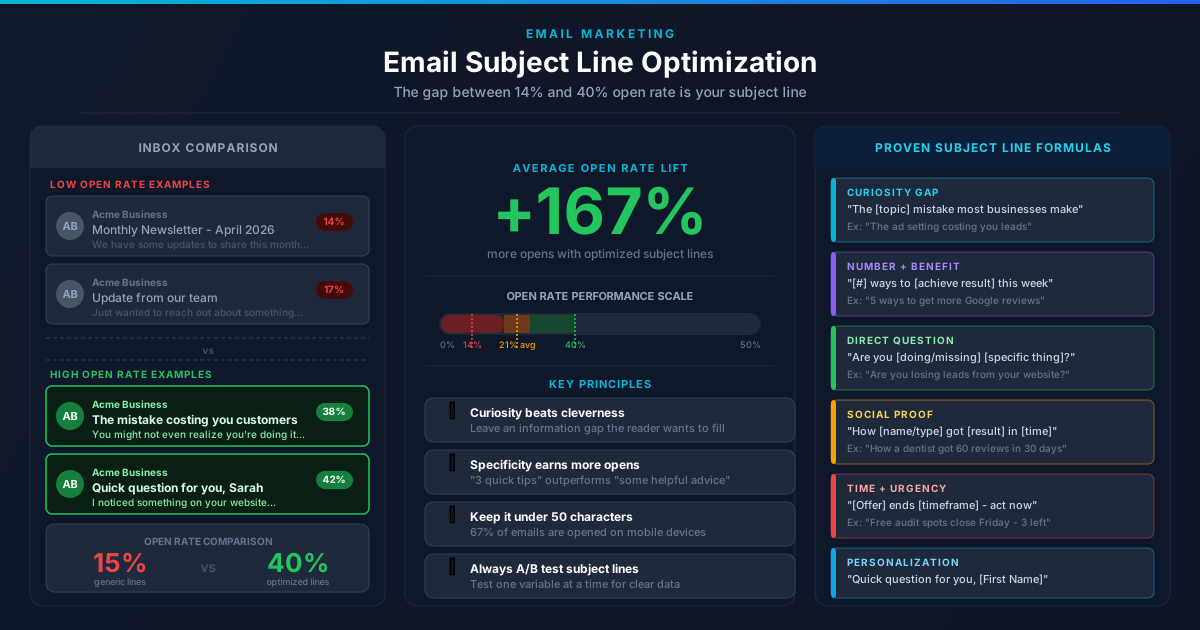
You spent an hour writing the perfect email. You hit send. Then you watch your open rate flatline at 14%. The problem isn't your content. Nobody ever read it. Your subject line didn't give them a reason to open.
The subject line is the single biggest lever in email marketing. It's the headline of your email, the first (and often only) thing subscribers read before deciding to open or ignore. Getting it right can double or triple your open rates without changing a single word inside the email.
Why Subject Lines Matter More Than Ever
The average office worker receives over 120 emails per day. Your subscribers are scanning their inbox fast, making split-second decisions about what deserves their attention. Generic, forgettable subject lines blend into the noise. Strong ones interrupt the scroll.
The goal isn't to trick anyone into opening. The goal is to give people a genuine, specific reason why opening this email is worth 60 seconds of their day.
The Psychology Behind High-Performing Subject Lines
Two principles drive most email opens: curiosity and specificity. Curiosity works by creating an information gap, a question in the reader's mind that they want answered. "The one thing hurting your open rates" works because you don't know what that one thing is yet, and you want to find out.
Specificity builds trust. "3 quick fixes for your Google Ads account" outperforms "some tips to improve your ads" because it makes a concrete promise. Vague subject lines feel like a waste of time before the email is even opened.
Six Formulas That Consistently Work
Rather than reinventing the wheel with every send, use proven frameworks and adapt them to your audience. The diagram below covers six of the most reliable subject line formulas with examples for each.
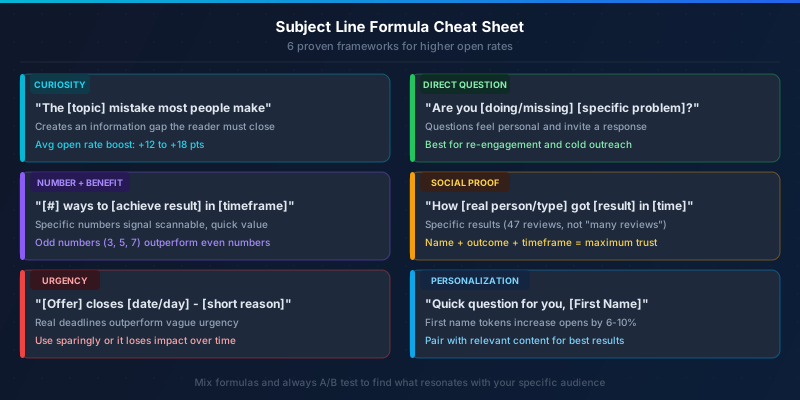
You don't need to use all six. Pick two or three that fit your brand voice and rotate them to keep things fresh. Using the same formula every time trains your subscribers to expect it, which reduces the curiosity effect over time.
What to Avoid
A few habits will consistently hurt your open rates and deliverability.
Spam trigger words: Words like "FREE!!!", "CLICK HERE", and excessive exclamation points send your email straight to the spam folder before your subscriber ever sees it. Most email platforms flag these automatically.
Vague subject lines: "Update from our team," "Just checking in," and "Monthly newsletter" give subscribers no reason to open. They communicate that whatever's inside probably isn't worth their time.
Misleading lines: Writing a subject line that doesn't match the email content might boost opens once. It will tank trust and increase unsubscribes long-term. The open rate means nothing if the reader feels tricked.
Don't Overlook Preview Text
Preview text is the short snippet that appears after the subject line in most email clients. It's free real estate that most businesses ignore. Treat it as a second subject line. Use it to extend the curiosity or specificity you started in the subject line, not to repeat it or let your email client pull in filler text like "View this email in your browser."
A strong subject line paired with strong preview text can add 5 to 10 percentage points to your open rate on its own.
Test Before You Trust Your Gut
Your instincts about what will perform well are often wrong. The only way to know what resonates with your specific audience is to run A/B tests. Split your list, send two subject line variants to a smaller portion, and then send the winner to the rest. The results will regularly surprise you.
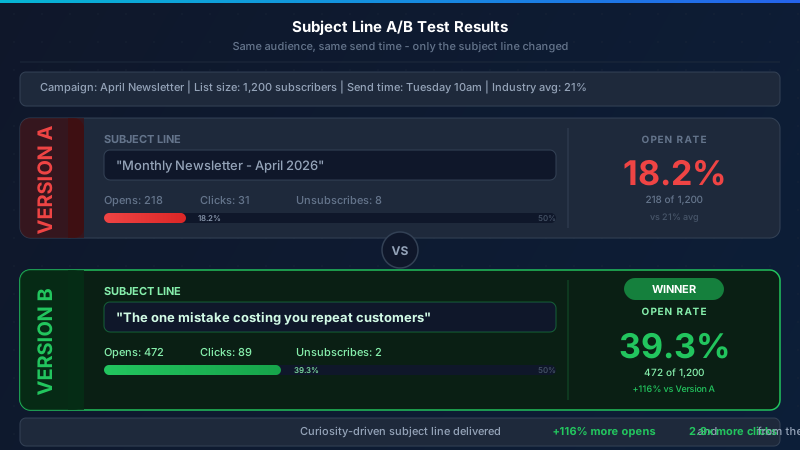
Most major email platforms (Mailchimp, Klaviyo, HubSpot, ActiveCampaign) have built-in A/B testing tools. Use them on every send if possible. Even testing subject lines on 20% of your list gives you data to act on. Over time, those incremental gains compound into a significantly better-performing list. And a better-performing list means more revenue from the same email marketing investment you're already making.
Frequently Asked Questions
How long should an email subject line be?
Keep subject lines under 50 characters (about 6 to 8 words) for the best mobile visibility. Most mobile email clients truncate subject lines beyond this length. Shorter, punchier lines also tend to create stronger curiosity. If you need more space to communicate context, use the preview text field to extend your message rather than lengthening the subject line.
Do personalized email subject lines actually improve open rates?
Yes, but the effect depends on how you use personalization. Simply inserting a first name into every subject line adds about 6 to 10% to open rates on average. More meaningful personalization, like referencing a subscriber's location, industry, or past behavior, can drive even bigger lifts. The key is making the personalization feel relevant, not just automated.
What words should I avoid in email subject lines?
Avoid spam-trigger words and phrases like "FREE", "CLICK HERE NOW", "GUARANTEED", and excessive punctuation like multiple exclamation marks. These can route your email to the spam or promotions folder before your subscriber ever sees it. Also avoid vague phrases like "Monthly update" or "Important information" that give no reason to open.
How often should I change my subject line strategy?
Review your subject line performance every 60 to 90 days. If your open rates are declining, it's often because your audience has become used to your formula and the curiosity effect has worn off. Rotate formulas, test new angles, and pay attention to which topics your audience responds to most. Consistent testing keeps your strategy fresh.
What is a good open rate for email marketing?
The average email open rate across industries is around 21%. Rates between 25% and 35% are considered strong. Anything above 35% is excellent and typically requires well-segmented lists, consistent sender reputation, and highly relevant subject lines. If your open rate is below 20%, start by testing your subject lines and reviewing your list hygiene to remove inactive subscribers.