Here is a scenario that plays out at small businesses every single day. You spend real money on Google Ads and months of work on your rankings. A form comes in at 2:14 on a Tuesday afternoon. Nobody sees it until Wednesday morning, and by then the customer has already booked with someone else. You did not lose that job on price or on quality. You lost it on speed.
Lead response time is the gap between when someone raises their hand and when a real person from your business actually reaches them. It is the least glamorous number in marketing and, for most small businesses, the single most profitable one to fix. It costs nothing to improve, and unlike rankings, it changes the day you decide to change it.
Why Five Minutes Is the Number
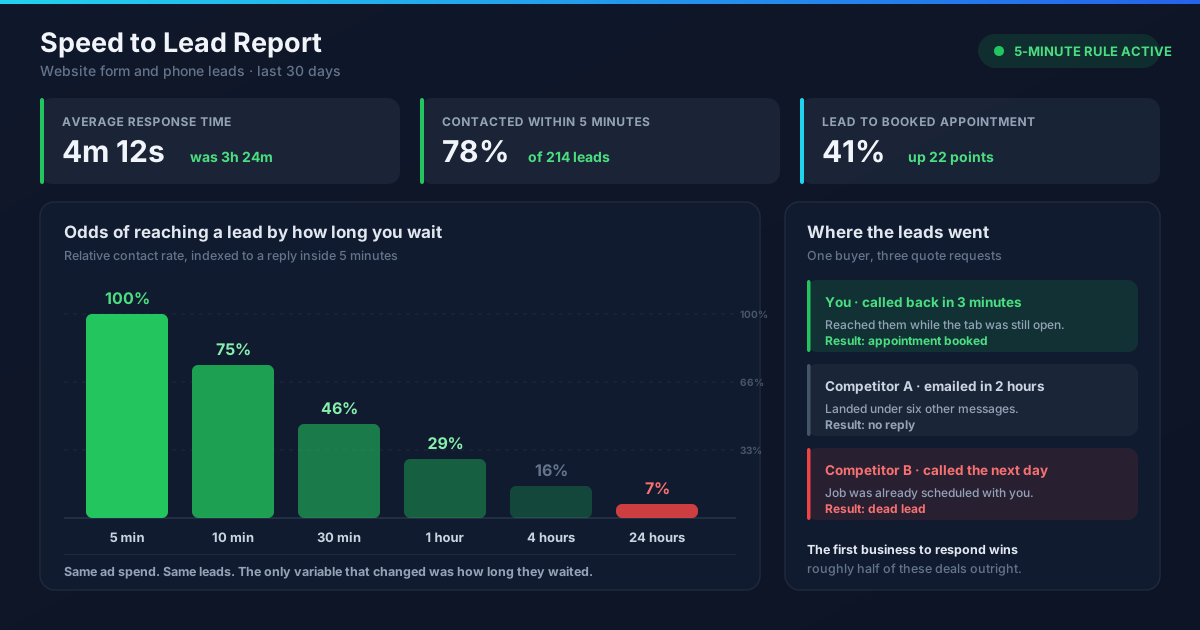
People do not fill out one form. They open three tabs, request three quotes, and go back to their day. Whoever calls first gets to have the conversation while the problem is still fresh and before anyone else has framed the decision. Reach someone inside five minutes and your odds of an actual conversation are dramatically higher than at the thirty minute mark. Wait a full day and you are mostly leaving voicemails for someone who has already hired your competitor.
Five minutes is really just a proxy for "while they are still thinking about it." The curve drops off early, which is why the gap between five minutes and an hour matters far more than the gap between one hour and four.
Do the Math on Your Own Numbers
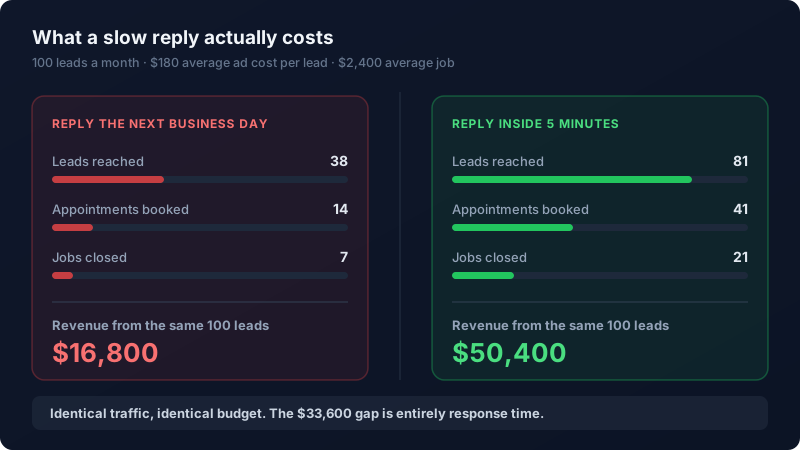
Take what you pay per lead and multiply it by the leads you never reached last month. That is the number to sit with. For most local businesses, cutting response time from hours to minutes is worth more than doubling the ad budget, and it does not cost a dollar more. If you are not sure how many leads you are getting or where they come from, set up conversion tracking first so you are working from real data instead of a hunch.
Answer Instantly, Even When a Human Cannot
You cannot always have a person free at 2:14 on a Tuesday, and you do not need one. An automatic reply that goes out the second a form is submitted buys you real time. Keep it human and specific: confirm you got the request, name a window ("we will call you within 15 minutes"), and give them a number to call if they are in a hurry. That alone stops the customer from filling out the next form on their list.
Then make sure the alert reaches someone. A notification buried in a shared inbox nobody watches is the root cause of most slow responses. Route new leads to a text message on the phone of whoever is on duty.
Call, Do Not Just Email
Email is where fast replies go to die. It lands under six other messages and gets read hours later, if at all. Call first, then send a short text if they do not pick up. The text matters because plenty of people will not answer an unknown number but will happily reply to a message that says who you are and why you are calling.
Build the Follow-Up Sequence Once
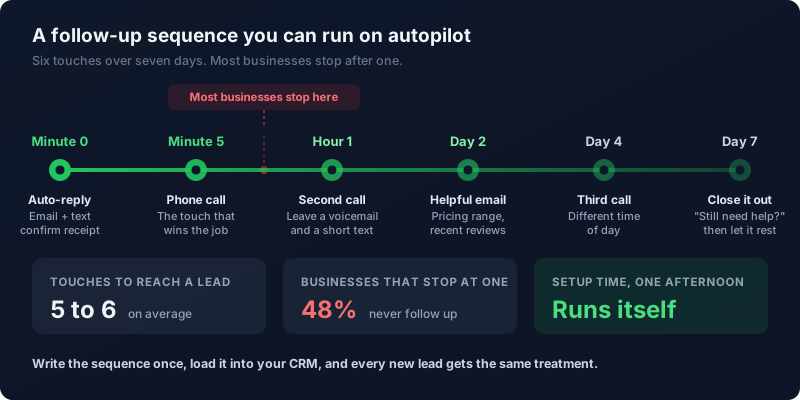
Speed gets you the first conversation, but persistence closes the gap. It usually takes five or six attempts to actually connect with someone, and a lot of businesses give up after one. Write the sequence down once, load it into your CRM or even a shared checklist, and let every new lead get the same treatment: instant auto-reply, call at five minutes, second call and text within the hour, a helpful email on day two, another call on day four, and a polite final check-in on day seven.
Measure It or It Will Not Improve
Log the timestamp on every lead and the timestamp of your first real contact attempt, then review the average once a week. The moment a team can see the number, it starts dropping. Pair that with a page that sets clear expectations, because a strong landing page that promises a fast callback and then delivers builds more trust than any headline you can write. And for the leads that still slip away, retargeting ads give you a second shot at the ones who went quiet.
The Bottom Line
Marketing gets people to raise their hand. Response time decides how many of those hands turn into revenue. Set up an instant auto-reply, route alerts to a phone instead of an inbox, call within five minutes, and follow up six times instead of once. That is an afternoon of work for a permanent lift in close rate. If you would rather have the traffic and the follow-up handled together, our PPC team builds campaigns with tracking and lead routing already in place, or you can get in touch and we will find where your leads are leaking.
Frequently Asked Questions
What is a good lead response time for a small business?
Aim to make first contact within five minutes of a lead coming in, and treat anything under fifteen minutes as acceptable. The odds of reaching a prospect fall off sharply after the first half hour because they are usually contacting several businesses at once and moving on quickly. Responding the next business day is common but costs most companies the majority of their leads.
Should I call or email a new lead first?
Call first. Email sits in an inbox and often gets read hours later or not at all, while a phone call reaches the person while your business is still on their mind. If they do not answer, leave a brief voicemail and immediately send a text explaining who you are and why you called. Many people will not answer an unknown number but will reply to a text within minutes.
How many times should I follow up with a lead before giving up?
Plan on five to six attempts spread over about a week, using a mix of calls, texts, and emails at different times of day. Most businesses stop after one attempt, which is why so many leads look unresponsive when they are simply busy. Space your touches out, keep each one short and useful, and close the loop politely at the end rather than going silent.
Can an automatic reply really improve my close rate?
Yes, because it stops the customer from moving straight to the next business on their list. An instant email or text that confirms you received the request, tells them exactly when you will call, and gives them a direct number buys you the time you need to respond properly. It will not replace a real conversation, but it reliably keeps the lead warm until you can have one.
How do I track lead response time without expensive software?
Start with a simple shared spreadsheet that logs when each lead arrived and when someone first attempted contact, then calculate the average every week. Most CRMs and form tools also timestamp submissions automatically, so the data is often already sitting there. The act of measuring is what drives improvement, because a number nobody looks at never gets better.