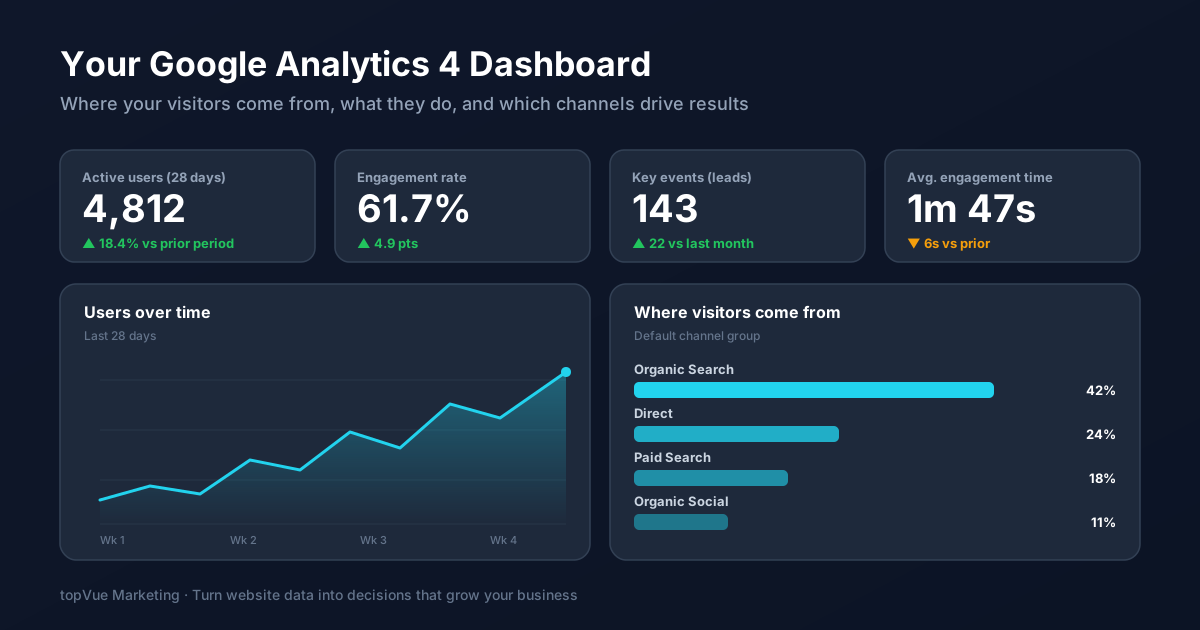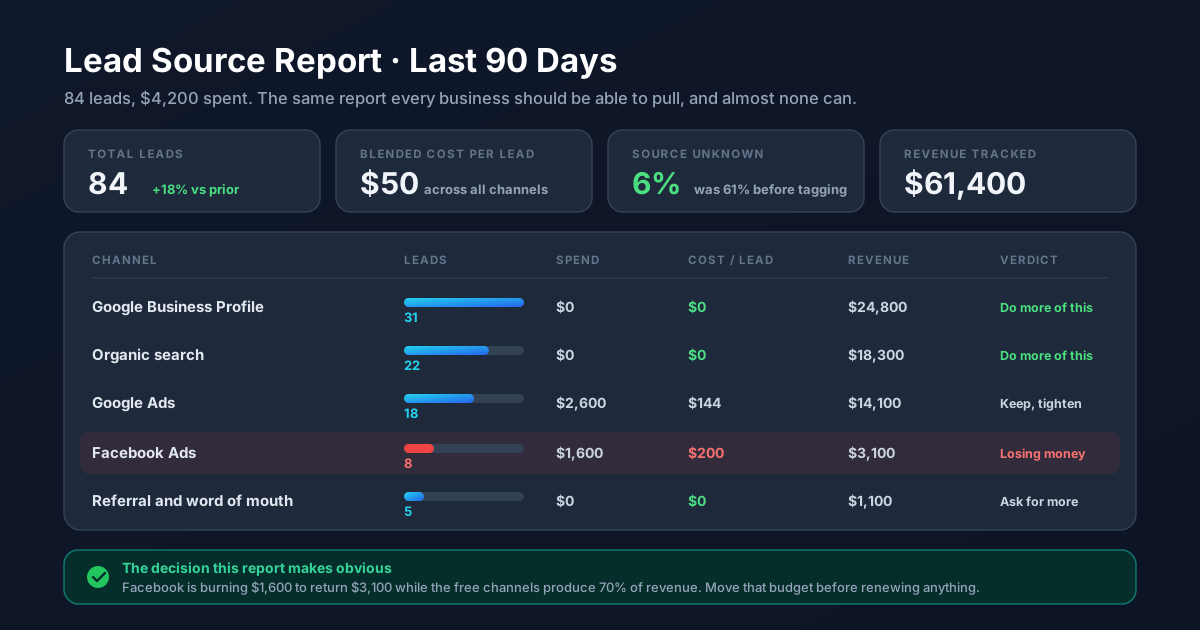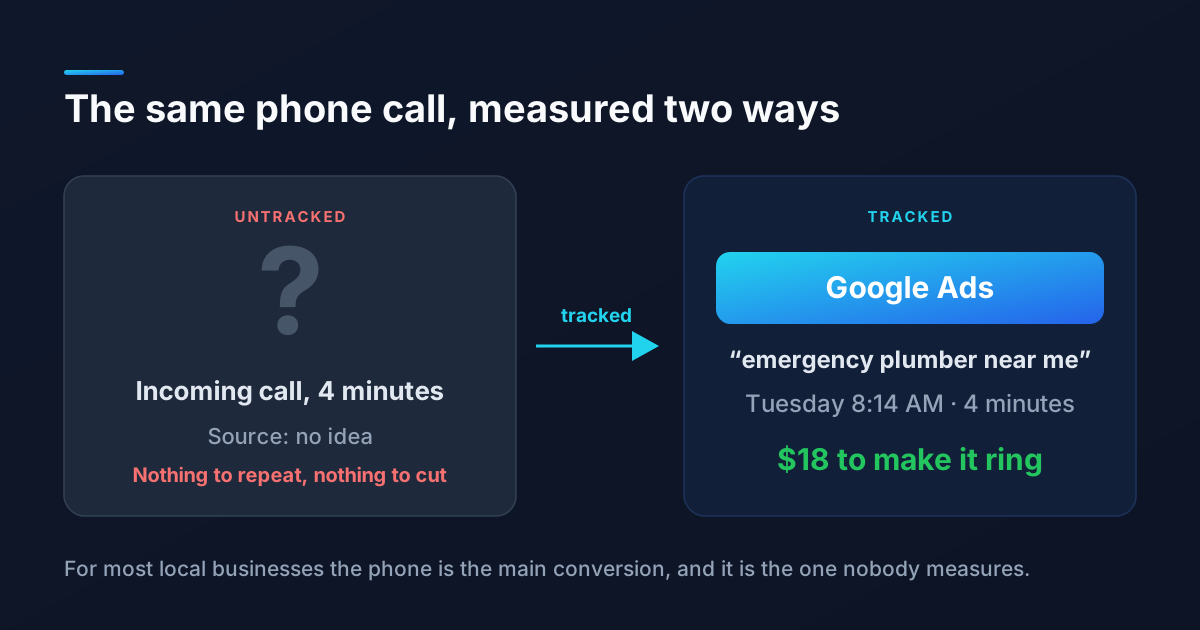
You can see every form submission on your website. You know which page the person was on, what they typed, and where they came from. Then the phone rings, someone books a $900 job, and none of that shows up anywhere. For a plumber, a dealership, a clinic, or a law firm, the phone is usually the main way people buy, and it is almost always the least measured part of the marketing.
The gap matters because it distorts every budget decision you make. A campaign that produces three forms and eleven calls looks like a campaign that produces three forms. So it gets cut, and the phone goes quiet, and nobody connects the two.
Three Levels, and You Do Not Need All of Them
Call tracking sounds like a purchase. It usually starts as a checkbox.
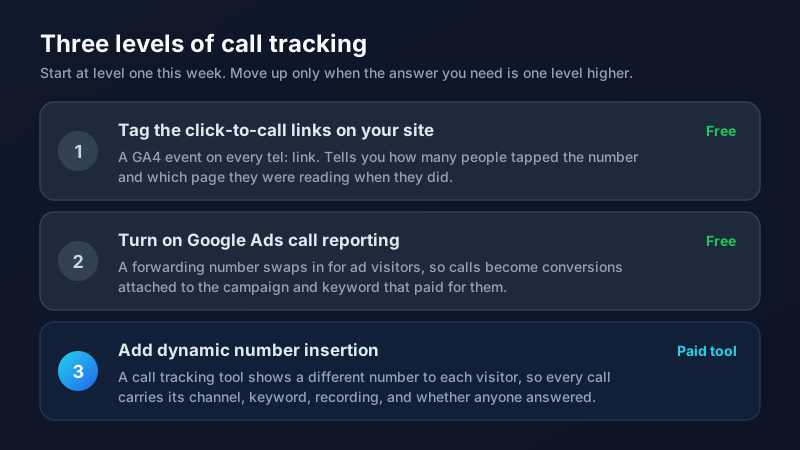
Level one is free and takes about twenty minutes. Every phone number on your site should be a real tel: link, and every one of those links should fire an event in Google Analytics 4. You will not learn what was said on the call, but you will learn how many people tapped to call, which pages convinced them, and whether that number moves when you change something. If you are not sure how to read the result, our guide to GA4 walks through where to find it.
Level two is also free and lives inside Google Ads. Turn on call reporting and Google shows ad visitors a forwarding number that routes straight to your real line. Calls longer than a length you choose (sixty seconds is a sensible default) get counted as conversions next to your form fills, which means the bidding finally optimizes toward the thing that actually pays you. This belongs alongside the rest of your Google Ads conversion tracking.
Level three costs money and is worth it once volume justifies it. A call tracking tool with dynamic number insertion shows a different phone number to each visitor depending on how they arrived. Every call then arrives labeled with its channel, its keyword, the landing page, a recording, and whether anyone picked up. If you are spending more than roughly two thousand dollars a month on advertising, or your average job is worth more than a few hundred dollars, the tool pays for itself in one recovered lead.
The Answer It Usually Gives First
Businesses turn on call tracking expecting to learn which channel wins. That comes eventually. The first month almost always surfaces something less flattering and more fixable.
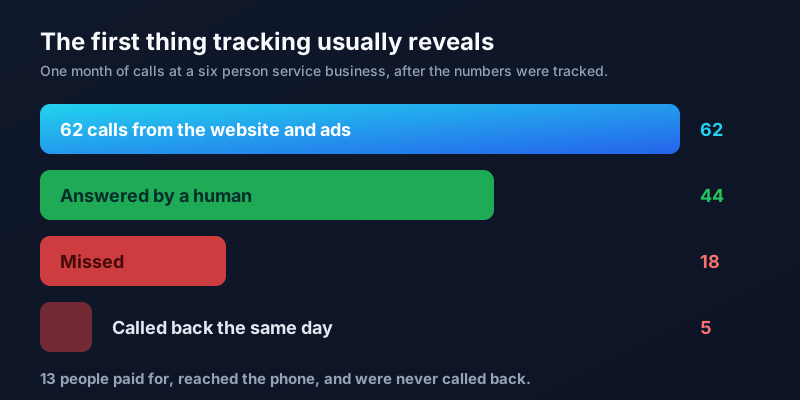
Missed calls are invisible without tracking, because a call that never connects leaves no trace anywhere except a carrier log nobody reads. Once you can see them, the fix is operational rather than technical: check the log every afternoon, return anything unanswered the same day, and look at what time of day the misses cluster. Speed is the whole game here, which is the same reason responding within five minutes changes close rates so dramatically.
What to Do With the Data After a Month
Give it thirty days, then sit down with three questions. Which sources produced calls, and what did each call cost. Which pages people were on when they decided to dial, since those pages deserve more traffic and probably more budget. And how many calls were missed, out of hours, or wrong numbers, because the raw count always flatters you until you strip those out.
Then compare the cost per call across channels the same way you would compare cost per form. Once calls are in the mix, the ranking of your channels often reorders completely, which is the point of building a single honest view of which marketing channel actually brings customers.
Two Things Not to Do
Do not put a tracking number on your Google Business Profile as the primary number. Use your real number there and add the tracking number as an additional number, so your listing stays consistent with the number on your website and in directories. Inconsistent phone numbers across the web work against your local rankings.
And check your state law before recording calls. Some states require both parties to consent, which means an automated notice at the start of the call. Most tracking tools include one, but it is off by default.
None of this is glamorous work. It is the difference between managing marketing with numbers and managing it with impressions. If your phone rings more than your inbox fills and you would like a clear view of why, get in touch and we will set the tracking up with you.
Frequently Asked Questions
How do I track phone calls from my website for free?
Two free options cover most of it. Make every phone number on your site a tel: link and fire a Google Analytics 4 event when someone taps it, which tells you how many people tried to call and from which page. Then turn on call reporting inside Google Ads, which uses a Google forwarding number to attribute calls to the campaign and keyword that produced them. Neither costs anything, and together they answer most budget questions.
Will a call tracking number hurt my local SEO?
Not if you set it up correctly. Keep your real business number as the primary number on your Google Business Profile and in every directory listing, and add any tracking number as an additional number rather than a replacement. Problems only appear when a tracking number becomes the main number in some places and not others, which makes your business look inconsistent across the web.
What is dynamic number insertion?
It is a small script that swaps the phone number displayed on your website depending on how each visitor arrived. Someone from a Google ad sees one number, someone from organic search sees another, and someone from your email newsletter sees a third. All of them forward to your real line, and every call arrives tagged with its source, so you get attribution without asking the caller how they found you.
How much does call tracking software cost?
Entry level plans from the common providers generally start around forty to fifty dollars a month for a handful of numbers and a few hundred minutes, with pricing rising by call volume. For a business whose average job is worth several hundred dollars or more, one recovered lead usually covers a year of it, but there is no reason to buy anything until the two free levels are running.
Do I need to tell callers that I am recording?
In some states, yes. Consent laws vary, and several require every party on the call to be notified. Call tracking platforms include an automated announcement you can enable, though it is typically switched off by default. Check the rules for your state before turning recording on, and remember that recording is optional. Attribution works fine without it.